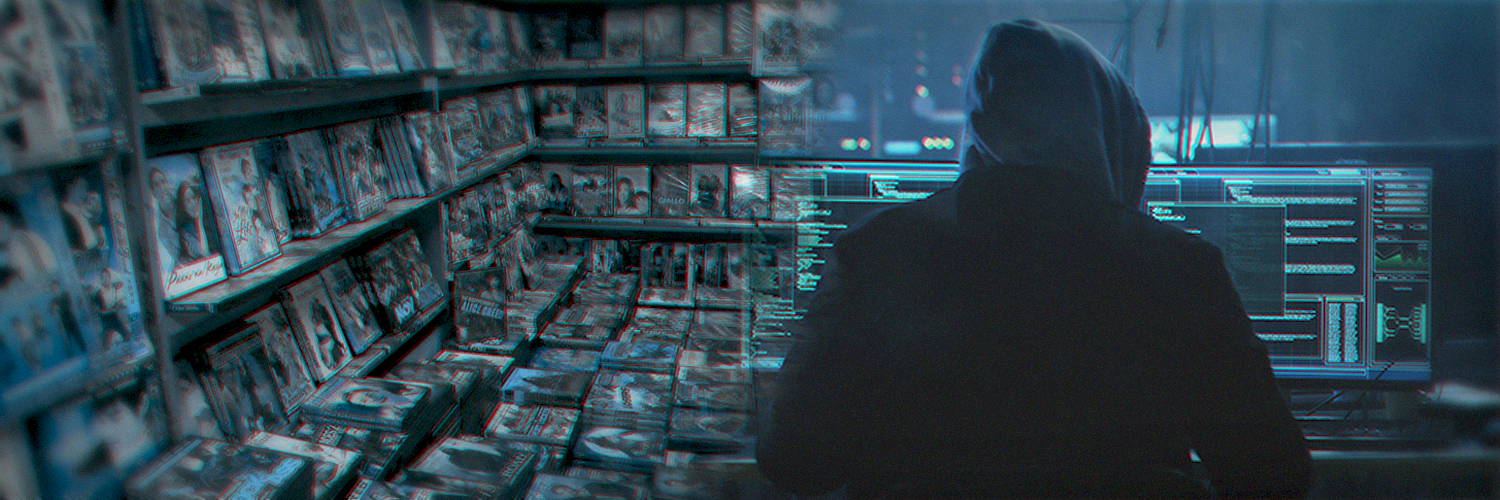
The Pirate’s Treasure
The Cultural Story of Piracy in the Philippines
by Gubguban, Yvanne D.
Have you ever wandered through the bustling local markets in the Philippines? If
so, you’ve likely seen countless stalls offering a wide array of pirated media, from music to
movies. Growing up, pirated media played a significant role in my childhood, introducing
metonumerous stories brought to life on screen. Many Filipinos share this experience, as
piracy has become a regular part of our cultural landscape.
But why is a crime like piracy so normalized in our country? Many of us recognize
that it’s illegal—after all, every time we visit the cinema, we’re reminded of the
Anti-Camcording Act of 2010 before the movie begins, along with the penalties that come
with breaking the law. Yet, despite these reminders, piracy remains widespread in the
Philippines.
Furthermore, numerous articles have highlighted the alarming extent of the issue.
According to the latest YouGov survey, 70% of the population admitted to consuming
pirated content via online streaming in 2024, up from 58% in 2023. This places the
Philippines with the second-highest rate of piracy in Asia, just behind Vietnam at 71%.
Even with the legal risks, piracy continues to thrive, almost as if it's become a part
of our everyday life. So, what’s driving this persistence? To understand why piracy is so
prevalent and deeply rooted in the Philippines, let’s take a closer look at its history,
accessibility, and the reasons people continue to engage in it despite the risks.
Historical Context
Before we dive into the current situation, let’s take a quick look at how piracy got its start. Back in the late 20th century, bootleg VHS tapes and DVDs began popping up in local markets. With tough economic times and not much access to legit media, many Filipinos turned to these pirated copies. Then, in the early 2000s, the internet took things to a whole new level. Torrenting and file-sharing became widespread, and piracy really took off, becoming a big part of Filipino culture.
Availability of Pirated Content
Piracy thrives here due to easy access. Local markets are full of bootlegged movies, music, and software at a fraction of the cost of legitimate versions. The internet has amplified this issue, with torrent sites and streaming platforms making pirated content readily available. Even with site-blocking efforts, many Filipinos use VPNs and other tools to bypass restrictions. This accessibility keeps piracy persistent and convenient.
Even If People Know the Risks, Why Do They Keep Pirating?
Despite knowing the risks, legal trouble and security issues, many still pirate. For many, it’s about saving money. Legitimate media can be expensive, and the cheaper, free option is just so accessible. With so many torrent sites and streaming platforms, piracy is incredibly convenient. The risk of getting caught seems low as well, especially with anonymity while on the web.
Is Piracy Part of Our Culture?
The question of whether piracy is part of Filipino culture is more complex than it
might seem. For many Filipinos, pirated media isn’t just about convenience—it’s become a
staple of daily life. Many of us, myself included, grew up with movies, music, and software
accessed through pirated copies. For some, these pirated resources have been crucial for
work or studies, offering tools and content that might otherwise be out of reach.
While it’s important to recognize that piracy is illegal, it’s also clear that it has played
a significant role in many lives. In some cases, it has even helped people earn a living or
access essential resources. So, even though piracy isn’t officially part of Filipino culture,
it’s
undeniably woven into the way many people live and think.
In the end, piracy in the Philippines is a multifaceted issue influenced by history, accessibility, and cultural norms. While many are aware of the risks, the allure of cheap and easy access keeps piracy prevalent. As technology continues to evolve, it’s intriguing to think about how this might shape the future of piracy. Will it become even more embedded in our daily lives, or will new developments shift the balance? One thing is for certain: piracy has opened doors to a world of content as well as job opportunities that many might not have explored otherwise.
References
YouGov. (2023). Survey on piracy. YouGov.
https://yougov.co.uk/topics/politics/articles-reports/2023/yougov-survey-on-piracy/