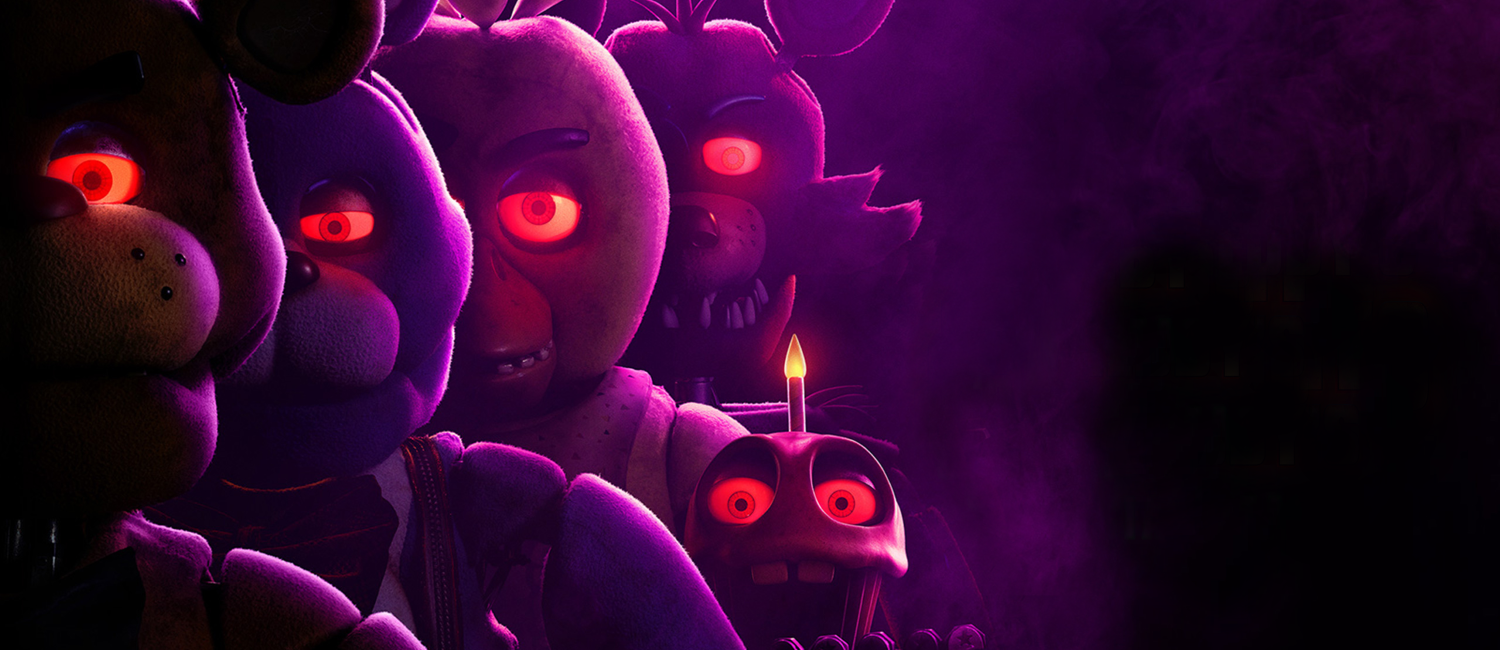
A New Kind of Horror
The Cultural Impact of Five Nights at Freddy’s
by Padilla, Kervin Clyde S.
When we think of horror, we think of dark, foreboding places, eerie sounds, and the ever-present
sense of dread. Traditionally, horror has thrived on these elements, drawing us into worlds
where the unknown lurks around every corner. However, in 2014, a game emerged that redefined the
boundaries of horror and captivated audiences worldwide: Five Nights at Freddy’s (FNAF).
Five Nights at Freddy’s introduced a unique brand of horror that diverged from traditional survival horror games. Instead of exploring eerie environments, players were confined to a single room, tasked with monitoring security cameras to survive the night against animatronic creatures. This stationary gameplay created a sense of claustrophobia and helplessness, amplifying the fear factor. The game’s reliance on jump scares, combined with its minimalist mechanics, proved to be a potent formula that captivated players worldwide.
The YouTube Effect
The rise of FNAF coincided with the burgeoning popularity of Let’s Play videos on YouTube. Streamers like Markiplier and PewDiePie played a pivotal role in the game’s success, their exaggerated reactions to the game’s scares drawing millions of viewers. These videos not only boosted the game’s visibility but also fostered a community of fans who were eager to share their own experiences and theories. The symbiotic relationship between FNAF and YouTube exemplifies how modern horror games can leverage social media to achieve viral success.
Expanding the Franchise
The success of the original game led to a rapid expansion of the FNAF franchise. Sequels, spin-offs, and a plethora of merchandise followed, including books, graphic novels, and even a feature film. Each new installment added layers to the game’s lore, deepening the mystery and engaging fans in a continuous narrative. The franchise’s ability to evolve and expand across different media has kept it relevant and exciting, ensuring its place in the annals of horror history.
Influencing Indie Horror
FNAF’s impact extends beyond its own franchise. It has inspired a wave of indie horror games that adopt its core mechanics and themes. Titles like Bendy and the Ink Machine and Hello Neighbor owe a debt to FNAF’s innovative approach to horror. By demonstrating that a simple yet effective game design could achieve massive success, FNAF has encouraged other indie developers to experiment with unconventional horror concepts.
Cultural Phenomenon
Beyond the gaming world, FNAF has permeated popular culture in unexpected ways. Its characters, particularly the animatronics, have become iconic figures, recognizable even to those who have never played the game. The franchise’s influence can be seen in various forms of media, from fan art and cosplay to references in TV shows and movies. This widespread recognition underscores the game’s impact on contemporary culture.
A Community Like No Other
The FNAF community is a testament to the game’s enduring appeal. Fans have created an extensive
body of fan fiction, art, and theories, expanding the game’s universe in imaginative ways. This
active and engaged community has played a crucial role in sustaining the franchise’s popularity,
demonstrating the power of fan-driven content in the digital age.
Five Nights at Freddy’s has left an indelible mark on the horror genre and beyond. Its innovative gameplay, symbiotic relationship with YouTube, and expansive franchise have redefined what a horror game can be. Moreover, its cultural impact, from inspiring indie developers to becoming a pop culture icon, highlights its significance in the broader entertainment landscape. As the franchise continues to evolve, its legacy as a groundbreaking and influential force in horror is assured. But remember, as you turn off the lights and close your eyes tonight, the animatronics are never truly gone. They linger in the shadows, waiting for the next unsuspecting soul to play their game. Sweet dreams.
References
Bridges, R. (2022, April 18). How Five Night’s At Freddy’s Reshaped Indie Horror. CBR. https://www.cbr.com/fnaf-changed-indie-horror-games/
Conigliaro, K. (2016, June 13). Redefining Genre: The Secret to Five Nights at Freddy’s Success. Black Shell Media. https://blackshellmedia.com/2016/06/13/redefining-genre-secret-five-nights-freddys-success/
Lambie, R. (2024, January 24). Five Nights At Freddy’s and its surprising cultural ripple effect. Film Stories. https://filmstories.co.uk/features/five-nights-at-freddys-and-its-surprising-cultural-ripple-effect/
O’Neill, S. (2023, June 18). How YouTube & Five Nights At Freddy’s Changed Modern Horror. Looper. https://www.looper.com/1314481/youtube-used-five-nights-at-freddys-to-change-modern-horror/